Macklemore dropped from Ed Sheeran tour following pro Palestinian comments, opening acts also pull out
By Tourspider
September 16, 2026
Rapper Macklemore was removed from Ed Sheeran's American tour after making pro Palestinian statements on stage, following which all the supporting acts quit.
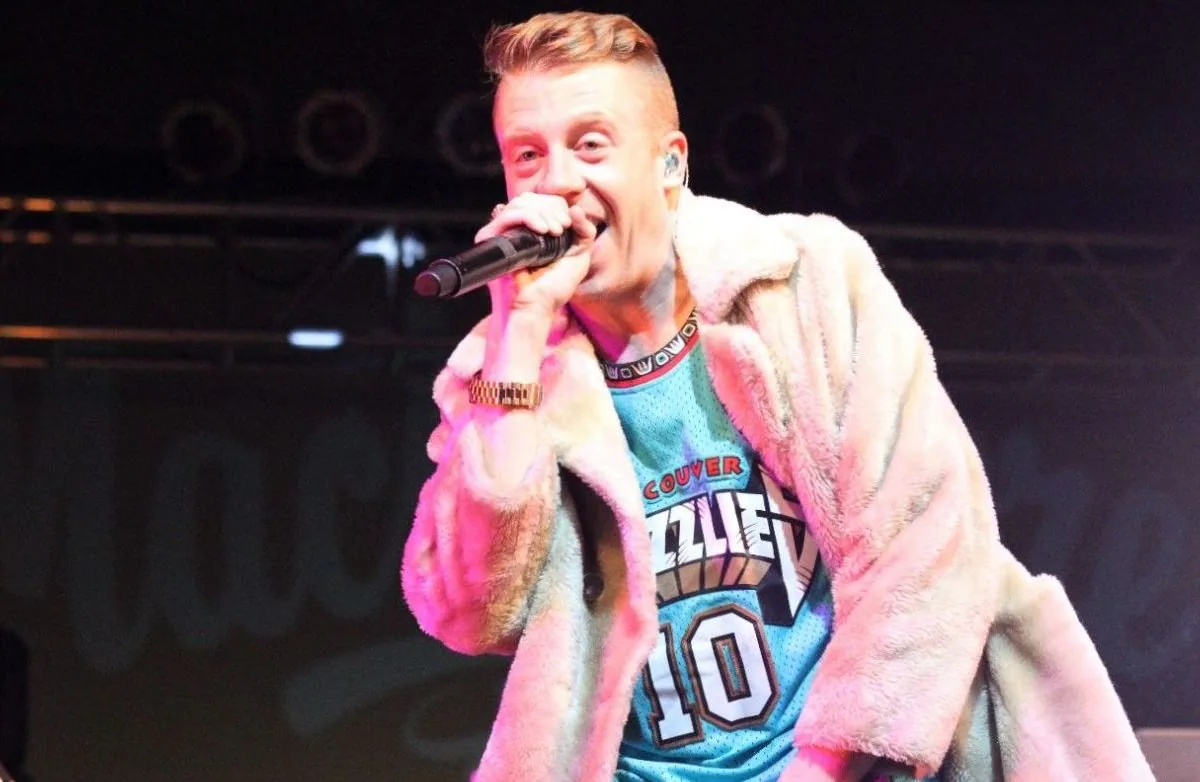
What started as a routine stadium show in New Jersey has snowballed into one of the biggest political controversies in American pop music right now. On September 4, rapper Macklemore performed as the opening act for Ed Sheeran's US tour at MetLife Stadium. From the stage, he called attention to the ongoing violence in Gaza and shouted "Free Palestine," a statement he wrapped in a broader message about dignity and equality for all people. That was the spark that set off an avalanche of reactions that ultimately made his continued presence on the tour impossible.
The Israeli American Council demanded Macklemore's removal, accusing him of using his platform to push a one sided political agenda. Billionaire Robert Kraft, owner of Gillette Stadium in Foxborough where one of the tour dates was scheduled, backed that position and made it clear Macklemore was no longer welcome in his venue. Other stadium owners followed suit. The result was that Macklemore was formally dropped from the tour on Monday. Sheeran defended himself on Instagram by saying the decision was the promoter's to make, not his, adding that he had tried to find a solution but hadn't been able to. He also emphasized that he didn't want to let down his fans and tour crew by cancelling shows.
That reasoning did not go over well with his own support acts. Finneas, Lukas Graham, Aaron Rowe and Beoga all announced they were pulling out in solidarity with Macklemore. Finneas wrote on Instagram that artists should not be silenced when they speak up for the oppressed, and added that he personally stands with Palestine and its people. Lukas Graham stressed that people should be free to speak openly about war, civilian deaths and children who have the right to grow up, regardless of where they live. Sheeran now faces serious trouble with his tour, and so far has not responded to the departure of his entire support lineup.
Reactions from the wider music world were equally sharp. Roger Waters called Sheeran a "little prick" for his passive stance. Massive Attack published a lengthy statement on Instagram criticising Sheeran's neutrality: "Neutrality in the face of the slaughter of more than 20,000 children can never be neutrality." The band also argued that entertainment can never take precedence over resistance to apartheid and genocide, and that no artist should tolerate the censorship of a colleague, no matter how much money is at stake. Massive Attack has boycotted performances in Israel since 1999 and has been one of the most outspoken bands on this issue for years. Earlier this year, band member Robert Del Naja was arrested at a protest in London, and two anonymous members were barred from entering Singapore after displaying a Palestinian flag during a concert there.
Macklemore himself, born Ben Haggerty in Seattle in 1983, is no stranger to controversy. After his international breakthrough with Thrift Shop in 2012, he faced accusations of cultural appropriation as a white rapper benefiting from a Black musical culture. Since then he has consistently spoken out against homophobia and intolerance and in favour of equal rights, not always without drawing criticism. The current affair seems to be doing nothing but strengthening his profile as a politically engaged artist. Influencer and children's content creator Ms. Rachel publicly criticised Sheeran on Instagram, arguing that he had missed the opportunity to show that artists should not be punished for voicing support for Palestine. For music fans in the Netherlands, this controversy illustrates how the lines between pop culture and geopolitics continue to blur, and how stadium bookings can these days spiral into full blown international diplomatic affairs.