The Melkweg, whose name translates as "Milky Way," sits in the heart of Amsterdam just off Leidseplein, occupying the only surviving factory building in the city's canal belt. The structure began its life in the 19th century as a sugar refinery, then served as a milk factory for the municipal company OVVV from 1920 until it closed in 1969. A year later, in the summer of 1970, a group of cultural youths led by Cor Schlösser moved into the vacant building, opened their first event on 17 July 1970, and set up a café, a restaurant and a single hall for music and theatre. The name honored the building's dairy past while nodding to Amsterdam's reputation at the time as a so called cosmic centre of the world. After successful summer seasons in 1971 and 1972, the Melkweg became a permanent cultural centre in 1973 and has operated as a non profit organization ever since, with municipal subsidies accounting for just ten percent of its budget.
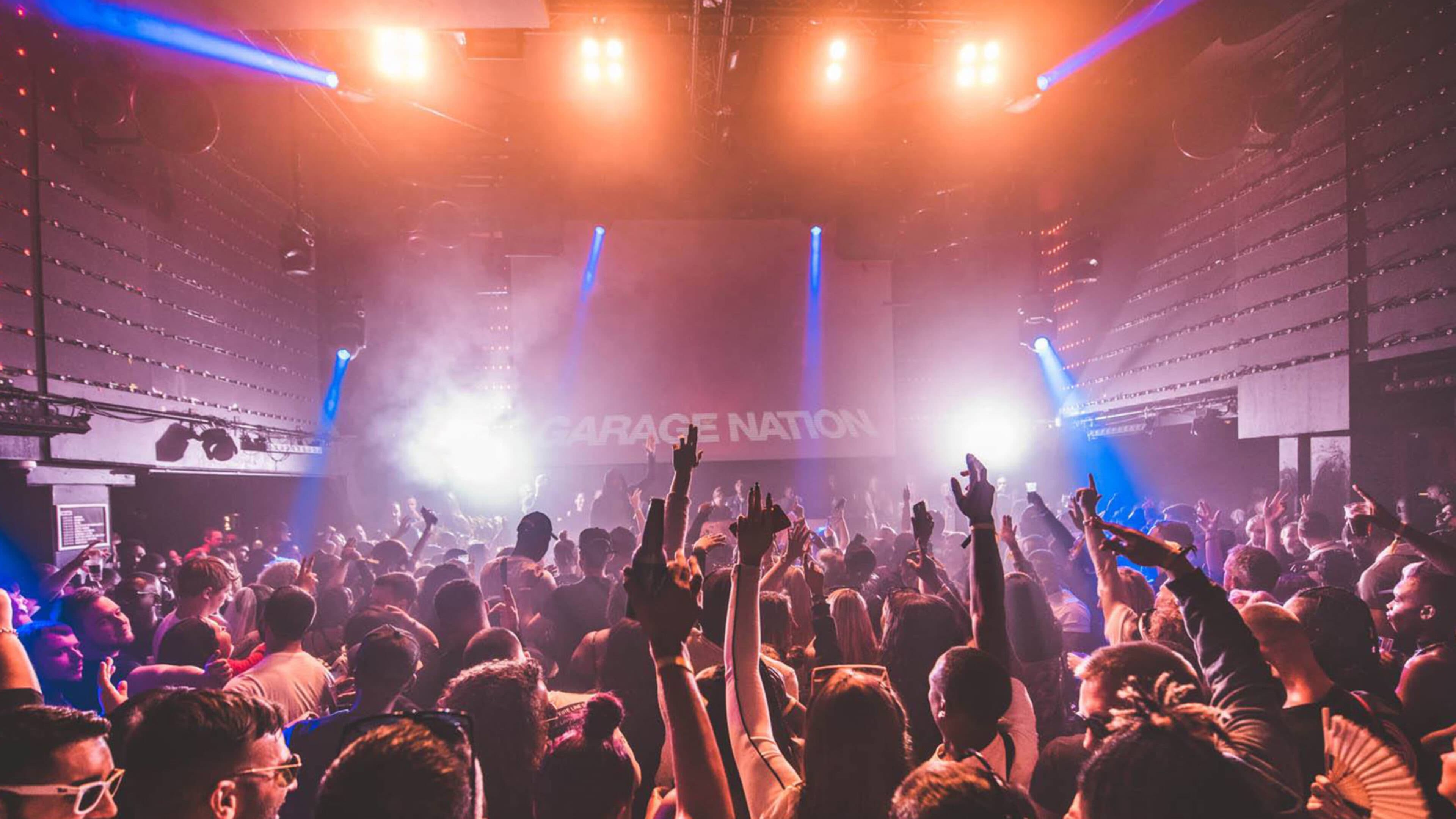
What distinguishes the Melkweg from most concert venues is its deliberate combination of five artistic disciplines under one roof: music, dance and theatre, film, photography and media art. The two main concert spaces are The MAX, with a capacity of around 1,500, and the Oude Zaal, which holds about 700. Upstairs, a cinema with 90 seats and a theatre hall seating 112 host film screenings and stage productions, while a media room, a photo gallery and a café restaurant complete the complex. The musical programming spans an unusually broad range of genres, and the venue has a long track record of presenting artists before they broke through to wider audiences, alongside established names such as The Prodigy, Arctic Monkeys and Snoop Dogg. Over the decades its stages have also seen the Ramones, Nirvana, Prince and Rage Against the Machine. Major events including the Amsterdam Dance Event, 5 Days Off and the Amsterdam Comedy Festival regularly use the space, and the Melkweg works in close partnership with Paradiso through the shared Paradiso Melkweg Productiehuis. The venue now welcomes more than half a million visitors each year.